Honed vs Polished Stone: Which Finish Should You Choose?
Discover the difference between honed and polished stone finishes. Learn which option is best for your home, how each performs, and how to choose the right finish for your natural stone surfaces
Honed Vs Polished Stone Floors & Surfaces
Understanding these differences will help you choose the best finish for your home, lifestyle, and the type of stone you have.
What Is a Honed Finish?
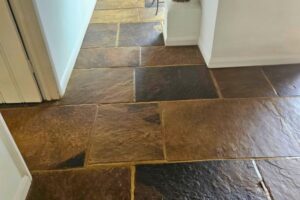
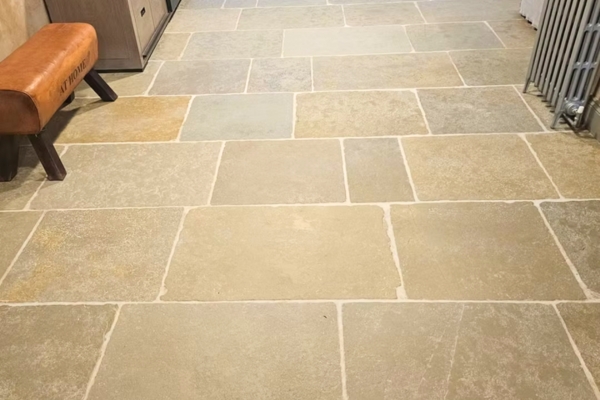
A honed finish has a smooth texture with a matte or satin appearance. It is created by stopping the polishing process before the stone reaches a glossy shine. The result is a soft, natural look that feels understated and refined.
Honed stone is a popular choice for floors, bathrooms, and busy family areas where practicality and slip resistance are as important as aesthetics.
Advantages of a Honed Finish
- Smooth texture with a low sheen
- More slip resistant than polished stone
- Hides scratches, etch marks, and everyday wear
- Ideal for modern, relaxed, and natural interior styles
Considerations
- Slightly more porous than polished stone, so sealing is essential
- Does not offer the reflective shine some homeowners prefer
What Is a Polished Finish?
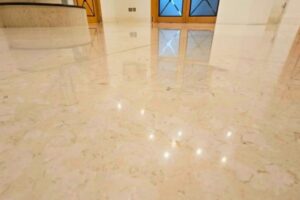
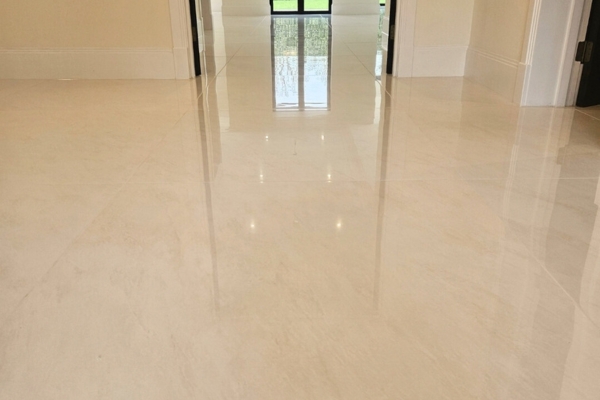
A polished finish has a glossy, reflective surface that highlights the colour and natural veining of the stone. This effect is achieved by refining the surface with finer diamond abrasives until it becomes smooth enough to reflect light.
Polished stone is often chosen for feature areas, hallways, worktops, and spaces where a luxurious appearance is desired.
Advantages of a Polished Finish
- Enhances the natural colour and character of the stone
- Creates a bright, elegant, high-end look
- Easy to wipe clean when properly sealed
- Reflective shine helps open up darker rooms
Considerations
- Can become slippery when wet, especially on floors
- Shows scratches, dull spots, and etch marks more easily than honed stone
Honed vs Polished: Which Should You Choose?
The best finish depends on how you use the space and the style you want to achieve. Some homeowners choose a combination, such as honed floors paired with polished worktops, to balance practicality with visual impact.
Choose a Honed Finish If You Want:
- Better slip resistance for kitchens, bathrooms, and hallways
- A soft, natural, contemporary look
- A finish that hides wear, marks, and etching
- A practical option for busy family homes
Choose a Polished Finish If You Want
- A glossy, reflective, high-end appearance
- A finish that enhances bold veining and natural colour
- A statement feature in an entrance hall or open-plan space
- A surface that is easy to wipe clean
How Each Finish Performs With Different Stone Types
Different stones react differently to honed and polished finishes:
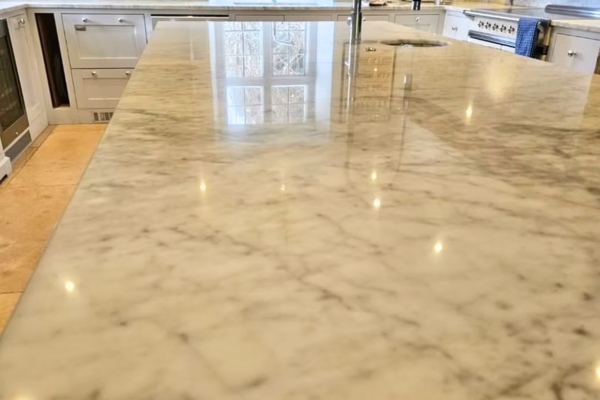
Marble
Honed marble hides etching better. Polished marble highlights veining but shows dull spots more easily.
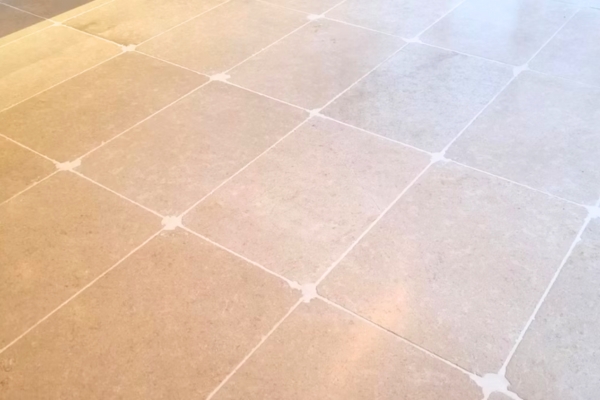
Limestone
Often looks best honed due to its natural softness. Polished limestone can be beautiful but may require more upkeep.
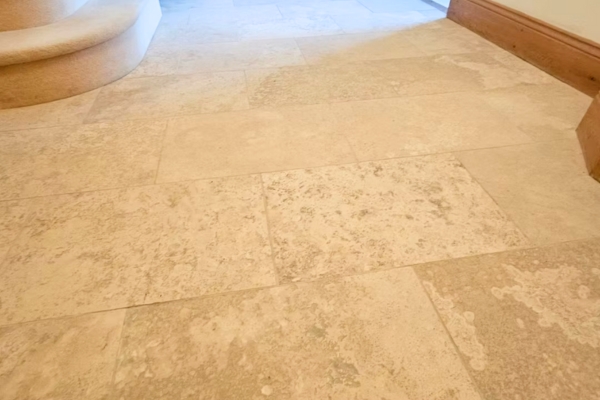
Travertine
Honed finishes are the most popular as they complement its natural texture. Polished travertine offers a sleek look but can highlight natural pits.
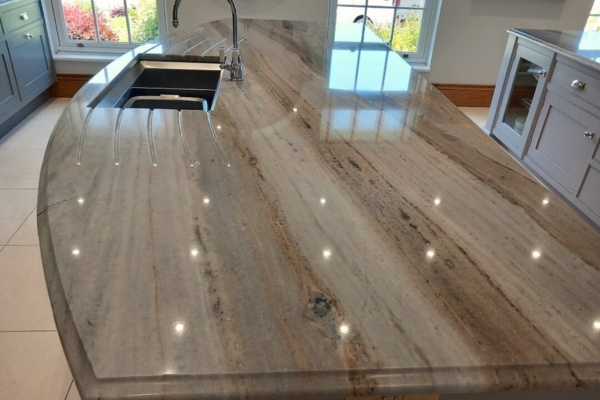
Granite
Both work well, with polished granite offering a strong, reflective shine and honed granite providing a more contemporary, understated look.
Quick Comparison Table
Feature |
Honed Finish |
Polished Finish |
|---|---|---|
| Appearance | Matte or satin | Glossy and reflective |
| Slip Resistance | Higher | Lower when wet |
| Maintenance | Hides marks well | Shows scratches and etching |
| Best For | Bathrooms, kitchens, high-traffic areas | Feature floors, worktops, luxury spaces |
| Sealing | Essential | Essential |
APPEARANCE
Honed: Matte or satin
Polished: Glossy and reflective
SLIP RESISTANCE
Honed: Higher
Polished: Lower when wet
MAINTENANCE
Honed: Hides marks well
Polished: Shows scratches and etching
BEST FOR
Honed: Bathrooms, kitchens, high-traffic areas
Polished: Feature floors, worktops, luxury spaces
SEALING
Honed: Essential
Polished: Essential
Maintenance: Honed vs Polished
Both honed and polished stone require regular cleaning and sealing, but the level of maintenance varies between the two finishes. Honed stone is slightly more porous, so sealing is important, yet it is generally more forgiving because it does not show dull spots, etching, or everyday wear as easily. This makes it a practical choice for busy areas and high-traffic homes. Polished stone needs a little more care, as its glossy surface can reveal scratches, etch marks, and traffic patterns more quickly. To keep its reflective shine, it may require occasional repolishing, and it benefits significantly from high-quality sealing to protect and preserve the finish.
Frequently Asked Questions
Can a honed stone surface be polished later?
Is honed stone easier to maintain than polished stone?
Which finish is less slippery, honed or polished?
Does polished stone need to be sealed?
Does honed stone stain more easily?
Which finish lasts longer, honed or polished?
Is one finish better for kitchen worktops?
Can I mix honed and polished finishes in the same space?
Which finish is best for marble?
Expert Stone Finishing and Restoration
At StoneCura, we specialise in restoring natural stone, including marble, limestone, travertine, porchlain, granite and sanestone. Whether you prefer a soft honed finish or a reflective polished surface, our team can help you choose the best option for your home and your lifestyle. We also offer professional cleaning, honing, polishing, and sealing services to bring tired or damaged stone floors back to life.
Call us now on 01628 520354 or 07737 137022 or message us

Learn more about our stone cleaning and restoration services